






Systems Architecture
Make architecture a source of clarity, not contention. We help you replace implicit assumptions, fragmented diagrams, and one-off choices with explicit decisions that hold up under scrutiny. You get architecture with fewer surprises so you can move faster and enable your organization’s vision for the future.
Expertise
Architecture That Turns Decisions Into Direction.
Good architecture removes ambiguity before it turns into cost, risk, or rework. We help organizations replace implicit assumptions and one-off decisions with clear, traceable choices that teams can execute consistently. Explore our areas of expertise to see how we bring structure to requirements, architecture, data, vendors, and roadmaps—so strategy shows up in day-to-day delivery.
Requirements & Non-Functional Architecture
Clarify stakeholder needs and give architecture teams actionable requirements. We use structured discovery to capture business, functional, and non-functional needs. These are shaped into scenarios, service levels, and architecture views that address availability, security, integration, and cost. Decisions become visible and traceable—not buried in decks. With a baselined requirements set and non-functional needs your teams can trace and test across the lifecycle.


Solution & Reference Architecture
Standardize complex solutions with reference architectures that teams can reuse instead of reinventing. We create blueprints and guardrails using proven frameworks and platform capabilities, covering cloud, data, integration, security, and user experience. Conflicting diagrams are replaced by a single, unified view. We deliver domain reference architectures and solution options and implementation guides so that your team can benefit from consistent, supportable designs across your portfolio.
Data Architecture Foundations
Make your data usable, trusted, and well-governed—not scattered across systems. We design foundational architectures that organize domains and master data, establish governance roles, and enable cataloging and lineage tracking. Our approach uses modern platforms, including data catalogs, MDM, and metadata tools across both cloud and on-prem environments. Diagrams become working standards. You team can leverage domain models, reference architectures, and lineage maps so they can find and reuse the data that matters most.

Technology Evaluation & Procurement
Choose technology with confidence instead of chasing demos and sales decks. We run structured, vendor-neutral evaluations that connect requirements, non-functional needs, and procurement rules to clear scoring models, scenarios, and total cost of ownership. Clear choices, not wish lists. Engagements deliver RFI/RFP packages, weighted scorecards, TCO and risk analyses, and decision records that show why the selected solution fits your roadmap and operating model.
Roadmaps & Architecture Governance
Turn scattered projects into an architecture-backed roadmap with governance executives and teams can trust. We design pragmatic roadmaps, architecture standards, and review boards using architecture frameworks such as TOGAF, architecture repositories, and portfolio analysis. One governance model, not competing fiefdoms. Engagements align current and target architectures, prioritize work against risk and value, and record decisions, exceptions, and technical debt. Now your team can stay aligned on what to build now and what to retire later.


Vendor Management
Transform your vendor portfolio into a system that’s governed and performance-driven, supporting your technology roadmap. We build frameworks that clarify how vendors are tiered and measured, integrating risk management, architecture, and procurement into a unified approach. Performance is made visible through clear standards and checkpoints, drawing on data from ITSM and finance platforms. Each engagement results in a vendor map and actionable plans for remediation and renewal. This means you can control risk, manage spend, and understand how your partners fit with the technical direction of your architecture.
Our Clients
Hundreds of clients. Thousands of projects.









The enterprise system Resource Data built allows us to better support the needs of our more than 8,000 shareholders. And as these needs change, we turn to Resource Data with confidence.
~ Keith Ziolkowski, Former President, CIRI, Alaska
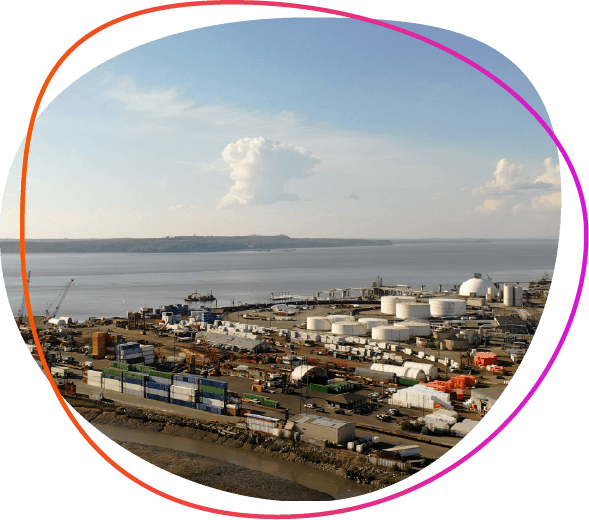
Regional Holding Company
Planning IT transformation to support growth
A large regional corporation with 30+ subsidiaries faced recurring IT strain from frequent acquisitions and divestitures across multiple industries. Corporate IT needed a way to support these transitions without adding unnecessary complexity or overhead.
A comprehensive IT transformation assessment was completed through subject matter expert interviews, process and infrastructure analysis, and application of industry best practices. The work produced a portfolio of prioritized projects to guide transformation goals.
The resulting plan provides a phased roadmap for modernizing IT and aligning investments with business strategy. With this framework, the corporation can support growth, adapt to change, and deliver lasting value across its operations.
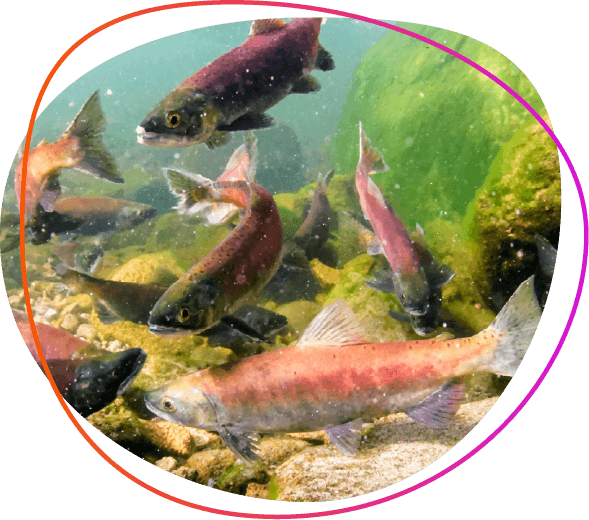
A State Fisheries Corporation
High-performance system accelerates salmon research
A state fisheries laboratory monitoring salmon populations faced slow data processing that delayed time-sensitive research. Genetic sequencing runs could take more than six hours, limiting staff capacity and pushing some large genome analysis work to outside providers. With climate change and hatchery practices affecting salmon stocks, faster and more reliable in-house processing was essential for fisheries management.
Resource Data partnered with the lab to assess needs, define business and technical requirements, and design a high-performance computing system. Work included workflow reviews, staff interviews, and vendor evaluations to ensure the solution balanced speed, scalability, and long-term support.
The new system significantly reduced processing time, supports multiple concurrent jobs, and enables larger genome datasets to be analyzed in-house. Researchers now have quicker access to results, strengthening the lab’s ability to support sustainable salmon management statewide.
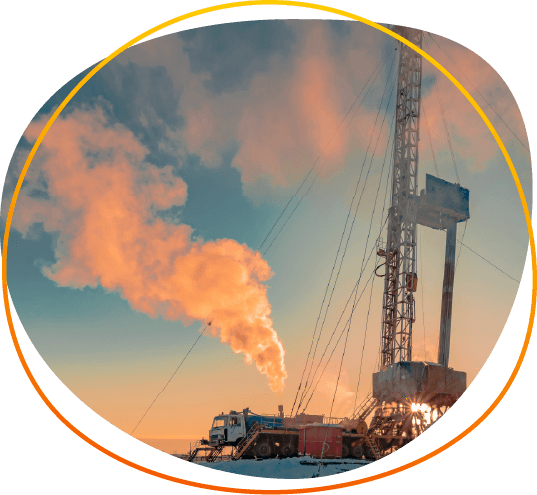
A Major Oil & Gas Company
Enterprise Systems Modernization Delivers Reliable, Scalable Support
An international oil and gas company expanding on Alaska’s North Slope needed to modernize systems supporting enterprise geospatial and operational work. Its legacy, file-based approach could not scale reliably, making a cloud foundation necessary for current and future demand
A high-availability architecture was designed in Amazon Web Services with redundancy built in. Resource Data integrated authentication using Windows Active Directory, Azure identity federation, and multi-factor authentication, and implemented CloudWatch monitoring and alerting to improve operational reliability.
Resource Data also provided training and administrator materials, plus a Quality Assurance and Quality Control Plan for ongoing support. The client continues to rely on maintenance across AWS, ArcGIS Enterprise, SQL Server applications, and related infrastructure to keep operations reliable and scalable.
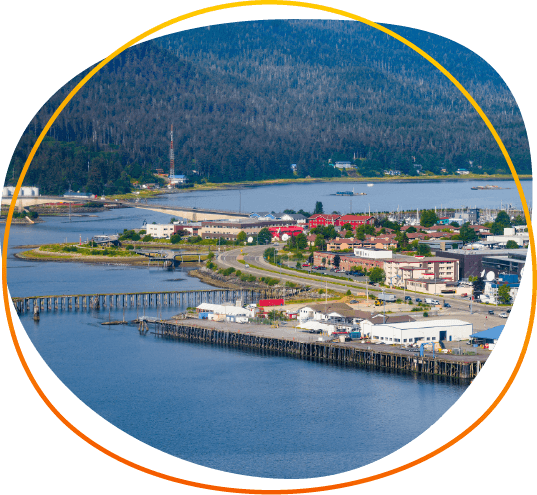
State Department of Transportation
Governance Reset Enables Long-Term IT Planning and Stability
The Alaska Department of Transportation and Public Facilities manages roads, airports, harbors, and ferries across Alaska, supported by a large and complex IT environment. Years of technical debt and uneven governance made it hard to prioritize projects or plan for long-term technology needs.
A strategic business plan was developed with department leadership to guide information systems. More than 80 staff were interviewed, and infrastructure and governance practices were reviewed to shape recommendations for standards, project prioritization, and resource management. The plan also delivered a roadmap backed by portfolio management and service catalog tools.
The strategy gives the department clear goals, sustainable governance, and a practical roadmap for aligning IT work with staffing, infrastructure, and budget. With this framework, the Department can manage resources more effectively while continuing to deliver vital transportation across Alaska.

Medical Network of Alaska
Replacing Network Frustration with Confidence and Capacity
Medical Network of Alaska, a rapidly growing healthcare provider with eight facilities across Alaska, was constrained by an under-built network that could not keep pace with expansion. Daily traffic issues created frustration and risk, and years of short-term decisions left the IT team with limited visibility into infrastructure and application needs.
Resource Data completed a comprehensive assessment of the environment, reviewing hardware, servers, data, and applications to define true requirements. The team documented clear specifications and evaluated vendors through demonstrations and side-by-side comparisons. A structured decision matrix with dozens of parameters supported selection, along with a candidate bill of materials and vendor pricing.
This process gave the organization the clarity to a scalable solution that improved outcomes at a comparable cost. With a stronger foundation in place, the organization is better equipped to support growth and maintain reliable operations across all facilities.


Bear Remien
Service Area Lead, Systems Engineering
Bear Remien is an expert systems engineering leader with over 20 years of experience guiding organizations through complex infrastructure, security, and transformation initiatives. He combines deep technical judgment with steady leadership, enabling teams to design and operate resilient enterprise systems in highly regulated and operationally demanding environments. Bear is particularly effective at aligning stakeholders, shaping technical direction, and leading teams through challenging efforts such as data center modernization, cybersecurity hardening, and large-scale organizational change.
Our Systems Engineering Services
Build confidence into your systems.







Talk to Bear Remien

"*" indicates required fields
What happens
next?
- We'll schedule a conversation
- Share your challenges and goals
- Plan your journey together