


Healthcare
Healthcare technology does not improve care on its own. It needs to fit the workflows, reporting requirements, privacy expectations, staffing realities, and systems already shaping daily operations.
Resource Data helps health organizations and technology teams turn complex initiatives into secure, connected, usable systems.

Who we help
From funded initiative to working system.
Funding, strategy, and approval are only the beginning. The harder work is turning a healthcare initiative into a functional solution across programs, partners, systems, and care settings.
These initiatives often involve disconnected data, EHR-adjacent workflows, reporting obligations, privacy constraints, vendor dependencies, and staff with limited capacity for another tool. We help define the work, manage the risks, and move from plan to implementation.
We support executives, program leaders, IT and operations teams, public health staff, and clinical teams at hospitals, FQHCs, behavioral health providers, public health agencies, regional programs, provider networks, and healthcare technology organizations.
Our role is to make healthcare technology clear enough to approve, secure enough to govern, usable enough for staff, and structured enough to measure.
Stephanie Franco
Healthcare Transformation and Implementation Lead
Stephanie Franco has more than two decades of experience in healthcare-adjacent environments, including ten years alongside the Air Force Medical Corps.
Her background spans healthcare management, operations, workforce leadership, project execution, auditing, and compliance. She connects strategy to the workflows, controls, governance, and implementation discipline needed to make change work.
Her experience shapes Resource Data’s practical approach to healthcare technology, grounded in operational realities, compliance, staff adoption, and the steps required to move from plan to implementation.
Company Experience
-
0
Years
in Business -
0+
Clients Supported
-
0+
Projects completed
-
0+
Professionals Employed
Areas of Expertise
Healthcare Transformation from Plan to Implementation .
Funding is only the starting point. The harder work is turning that award into workflows, systems, and daily operations that work in real care environments.
We help healthcare organizations clarify the work, connect the right systems, prepare usable data, and reduce manual effort. The goal is a path leaders approve and teams can build, use, and sustain.
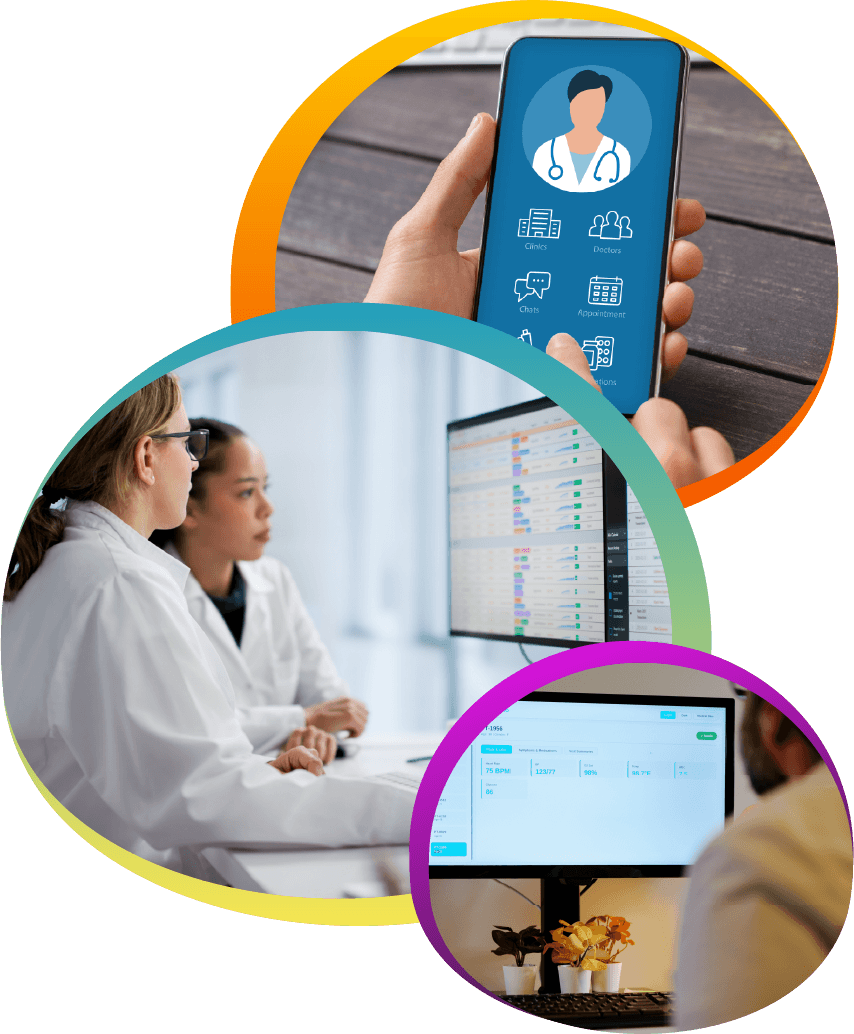
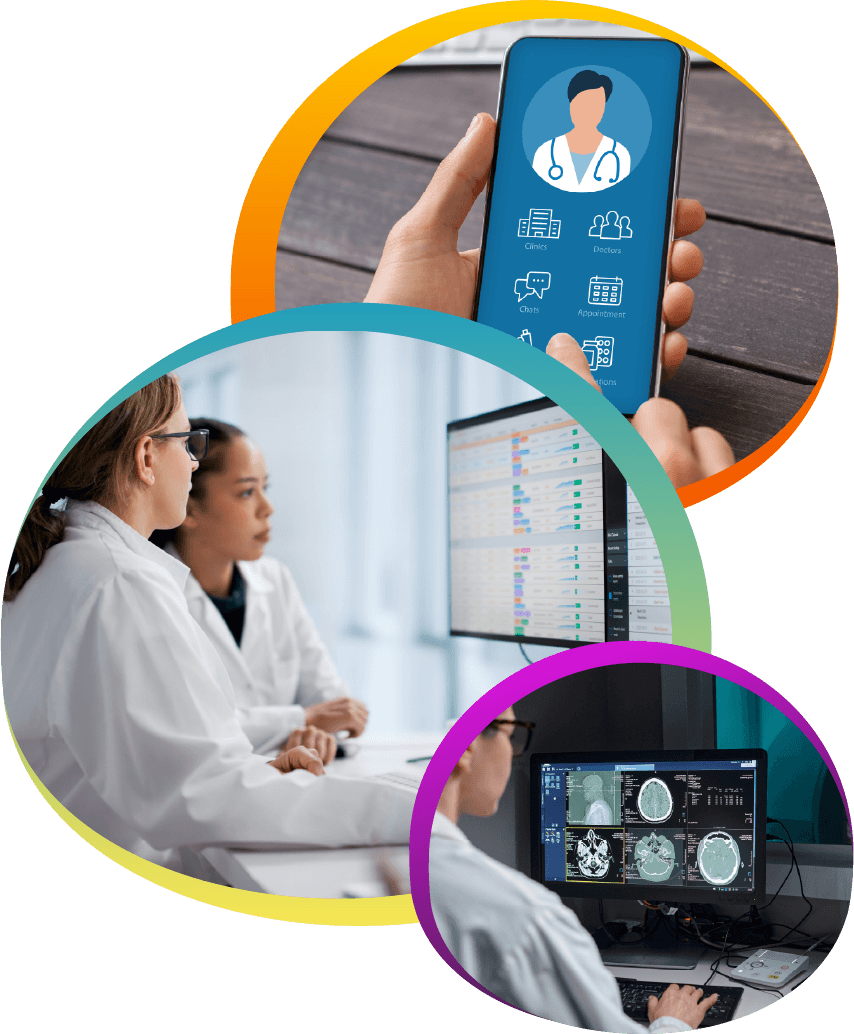


Initiative implementation planning
Healthcare initiatives become risky when ownership, dependencies, reporting, security, vendor roles, or workflow impacts are unclear. Staff may not know how the new process will change daily work, while unresolved decisions surface under rollout pressure.
Resource Data helps teams define a practical path from approval to operation. We develop implementation roadmaps, workflows, dependency maps, data and reporting requirements, procurement and vendor plans, security reviews, governance, training, rollout sequencing, and adoption plans—clarifying what to build, configure, integrate, secure, test, measure, and sustain.
Healthcare data, quality reporting, and operational visibility
Healthcare leaders need reporting they can trust, yet decision data is often scattered across clinical systems, finance tools, spreadsheets, referrals, partner systems, public health programs, and manual reports.
Resource Data brings structure through data models, dashboards, reporting workflows, quality checks, governance, and repeatable processes. By connecting clinical, claims, financial, workforce, grant, operational, and partner data, we help reduce manual reporting, strengthen funder and quality reporting, and identify issues earlier.
Interoperability, referrals, and care coordination workflows
Care coordination depends on information moving safely between systems, teams, and partners. When data remains trapped in disconnected tools, staff rely on duplicate entry, spreadsheets, phone calls, email, and other workarounds.
Resource Data defines exchange patterns, ownership, access rules, and workflows for cleaner handoffs. This may involve EHRs, billing platforms, registries, HIEs, referral and care management tools, public health systems, secure file exchange, APIs, and FHIR-aligned approaches—helping staff find, act on, and report the right information without another fragile process.
Digital, mobile, and field-ready care operations
Remote, mobile, and distributed care models must work in the field. Teams may operate across clinics, homes, vessels, remote worksites, EMS routes, public health locations, or communities with limited connectivity and staff capacity.
Resource Data designs workflows for those conditions, including telehealth, remote monitoring, mobile documentation, field data collection, scheduling, alerts, dashboards, reporting, training, and support. We address the details that drive use: who enters and sees the data, who acts, how follow-up is tracked, how access is controlled, and how leaders measure performance.
Behavioral health and complex-program workflows
Behavioral health and complex-care programs involve sensitive data, high-risk handoffs, multi-agency coordination, and reporting obligations that disconnected tools make harder to manage.
Resource Data improves referrals, reporting, platform workflows, and privacy-aware information sharing across behavioral health, substance use, crisis response, youth, disability, and caregiver programs. We define how information moves, who can access it, and what must be reported—without adding administrative burden.
Healthcare cybersecurity, access, and privacy-aware systems
Healthcare systems must protect sensitive information without making daily work harder. Access control, identity management, vendor requirements, cyber insurance, privacy, and auditability all have to fit the operating environment.
Resource Data evaluates and implements practical security improvements, including MFA, role-based access, identity and access management, security planning, system assessments, cloud readiness, vendor coordination, and secure application design. We build security into workflows, systems, reporting, and support rather than treating it as a separate afterthought.
Governed automation and AI for healthcare operations
Automation and AI can reduce manual work, improve follow-through, and make information easier to use. In healthcare, they require guardrails for privacy, security, data quality, auditability, human oversight, and governance.
Resource Data helps organizations identify appropriate uses and manage risk before building. We assess data readiness, workflow fit, privacy, monitoring, and adoption, then design controlled solutions that support staff, preserve accountability, and can be explained to leaders, auditors, funders, and oversight bodies.


“Resource Data has been a valued partner in our efforts to continually improve the quality of care our patients receive.”
- Ron Adler, Former CEO, Alaska Psychiatric Institute

Statewide Primary Care Association
Data architecture strategy
An organization supporting 29 community health centers across the state was working with disconnected systems, duplicated data entry, and manual processes that made reporting and planning harder than they needed to be.
Resource Data assessed the organization’s data infrastructure, reviewed existing models, documented system gaps, and identified where data silos were creating inefficiency. The work focused on how financial, planning, evaluation, and operational data could be connected more securely and used more consistently.
The result was a strategic data architecture roadmap with formal data modeling recommendations and a clearer path for improving data quality, reducing duplicate work, and strengthening the association’s support for health centers across the state.

Medical Risk Management Organization
Coordinating high-volume screening across remote teams
An organization supporting COVID-19 operations for maritime and remote workers needed to coordinate screening, testing, quarantine, vaccination, and reporting across multiple sites. The work involved clinical workflows, worker data, employer reporting, alerts, follow-up, and secure access for different user roles.
Resource Data developed a mobile-friendly web application designed for HIPAA-sensitive workflows. The system brought worker data, provider workflows, employer reporting, automated alerts, and dashboards into one coordinated environment.
Clinicians, administrators, and employers gained a more consistent way to manage screening status, track follow-up, and coordinate across remote locations. The application reduced reliance on disconnected manual processes and helped keep high-risk workers on a more organized care path.

Behavioral Health Nonprofit
IT modernization
A statewide nonprofit supporting individuals with Alzheimer’s and their families needed a clearer picture of its IT environment. Staff were using technology to communicate, coordinate services, and manage sensitive client information, but the organization needed a stronger foundation for modernization.
Resource Data assessed the organization’s hardware, software, network infrastructure, and cloud-based client data system. The team reviewed how staff used existing tools, where communication and data-handling risks existed, and what changes would be needed to support future growth.
The result was a practical modernization plan with recommendations for infrastructure, cloud system use, staff training, and safer handling of sensitive information. The work positioned the organization to improve communication, reduce missed connections with families, and expand its use of cloud tools with greater confidence.
Statewide Medical Network
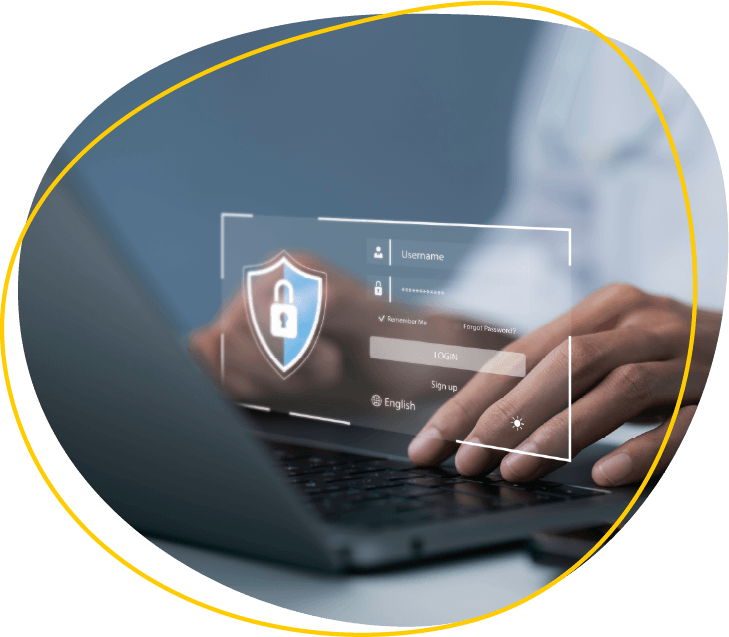
Multi-factor authentication rollout
An Alaska-based healthcare organization needed to strengthen access security to meet cyber insurance requirements and support a new EMR platform. The organization needed a solution that fit its vendor environment, user workflows, and future system needs.
Resource Data helped evaluate identity and access options against the network’s security requirements, operational constraints, and application landscape. Okta was selected as the access platform to support Athena and future systems.
The rollout gave the organization a more consistent way to manage secure logins, strengthen access controls, and meet compliance and insurance expectations without creating unnecessary friction for users.

Learn more about Resource Data’s healthcare technology consulting experience, service areas, and qualifications.
Download our Healthcare Services PDFOur Services
Bringing together the expertise behind modern healthcare.







Talk to Stephanie Franco

"*" indicates required fields
What happens
next?
- We'll schedule a conversation
- Share your challenges and goals
- Plan your journey together