
Strengthening the Technology Foundation for an Alaskan Healthcare Organization
In Brief
Supporting Healthcare Expansion Through Technology Modernization
During and following the COVID-19 pandemic, a Southcentral Alaska healthcare organization experienced extraordinary growth. New clinics, providers, and services expanded their reach across the region. But growth brought new challenges. The systems and processes that once supported a much smaller organization struggled to keep pace with increasing demands.
To help navigate this transition, Resource Data assessed their technology landscape, developed a strategic roadmap, and implemented key improvements across infrastructure, security, and operations. Together, these efforts created a more reliable and scalable technology environment, helping the staff, providers, and communities they serve.
Key Takeaways
Strategic IT Enables Organizational Growth
-
Defining a practical roadmap for modernization priorities
Resource Data reviewed the organization’s technology environment and defined a multi-year roadmap covering infrastructure upgrades, operational improvements, and security priorities.
-
Improving infrastructure resilience under rapid growth
An assessment of network architecture and key systems identified gaps affecting reliability and scale. The resulting changes improved day-to-day system stability for staff and clinical teams.
-
Simplifying and securing user access across systems
Okta, a centralized identity platform, was introduced to standardize login processes, enforce multi-factor authentication, and reduce fragmented access across systems.
-
Hands-on support for IT operations
Resource Data worked across infrastructure, applications, and IT operations, supporting both planning and implementation activities as the environment expanded.
Meet Our Client
Alaskan Healthcare Organization
The organization provides healthcare services through a growing network of urgent care clinics, primary care providers, and specialty practices across Southcentral Alaska. Its services span a range of patient needs, including family medicine, women’s health, endocrinology, orthopedics, and urgent care.
By bringing providers and practices together under one organization, leadership sought to expand access to care while creating a more connected healthcare experience for patients and communities throughout the region.

The Challenge
Managing Growth Without Visibility Across Systems
During and following the COVID-19 pandemic, the workforce grew nearly seven-fold from the original 40 employees. As new clinics, providers, and services were added, the organization faced increasing pressure to support a larger workforce and more complex healthcare operations. Many of the systems and processes in place were designed for a much smaller organization, making it difficult to keep pace with growth.
Leadership needed a clear understanding of where technology investments would deliver the greatest value. They also needed a practical plan to strengthen infrastructure, improve reliability, enhance security, and better support staff and providers across the growing organization.
Solutions
Building a Roadmap for Healthcare Technology Modernization
Resource Data began by assessing the technology environment to understand how systems were supporting day-to-day healthcare operations. The review brought together infrastructure, applications, and operational processes across the organization, creating a clear picture of how technology was functioning in practice.
From this work, Resource Data developed a multi-year roadmap that prioritized the most important improvements and outlined a clear path forward for modernization across infrastructure, security, and IT operations. The roadmap gave leadership structure for decision-making and helped align technology efforts with how staff and providers worked across the organization.
Modernizing Network Infrastructure and IT Operations
As the workforce and clinic footprint expanded, maintaining reliable connectivity across locations became increasingly important. Systems that had supported a smaller organization needed to keep up with more users, more sites, and higher demand from both staff and providers.
Resource Data reviewed the existing environment, including networking systems, servers, applications, and connectivity across multiple locations. The work identified changes needed to improve reliability, scalability, and performance as usage increased. This effort also extended into IT operations, including service management processes, ticketing systems, virtualization, and staff support to strengthen daily IT delivery.
Strengthening Identity Management and Security
As a healthcare organization, they continued to face increasing cybersecurity and compliance requirements. Improving controlled access to critical business and clinical systems became a priority.
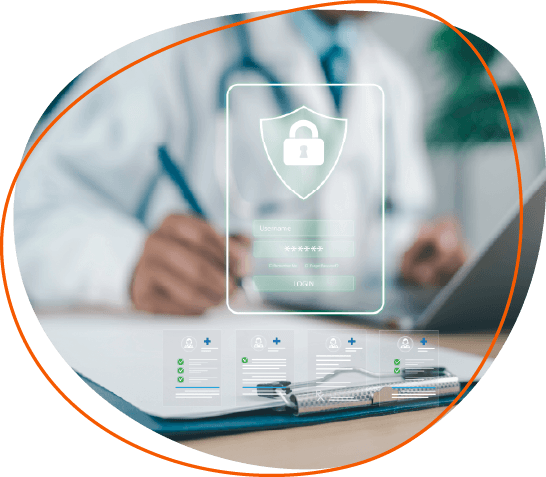
Resource Data implemented Okta as a centralized identity management platform, establishing a stronger framework for authentication, access management, and governance across the organization’s technology ecosystem. The solution introduced multi-factor authentication and created a scalable foundation for future integrations. It also supports stronger security practices and improves visibility into user access across systems.


The organization stepped up to serve their communities during the COVID-19 pandemic. When it was over, they had grown so quickly that no one had the chance to make sure their technology kept up. Resource Data helped bring their IT up to the standard they needed so they could keep providing important medical services.
- Bear Remien, Expert Systems Architect, Resource Data

Results
More Reliable Systems. Fewer Disruptions.
System interruptions across locations became less frequent for staff and clinical teams. Access to core applications also improved, reducing time spent dealing with login issues, delays, and workarounds. This allowed teams to focus more on coordinating care, supporting providers, and managing clinic operations.
Patients and the broader healthcare network benefited from more consistent access to services across urgent care, primary care, and specialty practices. Providers were able to dedicate more time to patient care and clinical coordination, with fewer technology-related barriers affecting how services were delivered across locations.

What's Next
A Foundation for the Future of Healthcare
Technology is becoming increasingly important to the future of healthcare. As organizations expand digital services, strengthen cybersecurity, improve care delivery and patient experience, a reliable technology foundation is essential.
By strengthening infrastructure and security, the organization is better positioned to adapt to evolving healthcare needs, embrace emerging technologies, and continue providing high-quality care for years to come.
A growing healthcare organization should prioritize technology investments by assessing which systems most directly affect care delivery, staff productivity, security, and operational reliability. When growth happens quickly, technology problems often appear everywhere at once, so leadership needs a practical roadmap that separates urgent infrastructure risks from longer-term modernization opportunities.
In Resource Data’s case study, a Southcentral Alaska healthcare organization had grown nearly seven-fold from its original 40 employees while adding clinics, providers, and services. Resource Data assessed the organization’s infrastructure, applications, and operational processes. Then, they developed a multi-year roadmap for modernization across infrastructure, security, and IT operations.
This approach gave leadership a clearer structure for decision-making. Instead of reacting to each technology issue individually, the organization could align investments with operational priorities, clinical workflows, and future growth. The business impact was better use of budget and staff time, reduced risk from aging or undersized systems, and a more scalable technology foundation for continued healthcare expansion.
Rapid healthcare growth often requires IT modernization because systems built for a smaller organization may not support more employees, more locations, more applications, and higher expectations for reliability. As clinics, providers, and services expand, technology has to support more complex workflows without slowing down patient care or creating avoidable operational friction.
In Resource Data’s case study, the healthcare organization expanded significantly during and after the COVID-19 pandemic. Its existing systems and processes had been designed for a much smaller workforce, which made it harder to keep pace with new demands across urgent care, primary care, and specialty practices.
Resource Data’s work helped connect technology modernization to the organization’s real operating model. By improving infrastructure, security, identity management, and IT operations, the organization was better equipped to support staff and providers across multiple locations. As a result, there were fewer technology-related barriers, more consistent access to core systems, and stronger support for healthcare services as the organization continued to grow.
Better IT infrastructure supports patient care by reducing system interruptions, access problems, and workflow delays that pull staff and providers away from clinical work. In healthcare, reliable connectivity and application access affect how efficiently teams coordinate care, communicate, and manage daily clinic operations.
In Resource Data’s case study, the organization needed stronger infrastructure as its workforce and clinic footprint expanded across Southcentral Alaska. Resource Data reviewed networking systems, servers, applications, virtualization, connectivity, and IT support processes to identify improvements that would help the environment scale.
The case study shows that after these improvements, system interruptions became less frequent and access to core applications improved. That reduced time spent dealing with login issues, delays, and workarounds. The business and operational impact was meaningful: staff and providers could spend more time supporting patients and coordinating care, and the organization gained a more reliable foundation for delivering services across urgent care, primary care, and specialty practices.
A practical healthcare IT modernization roadmap should include prioritized improvements across infrastructure, security, applications, connectivity, support processes, and day-to-day operations. It should be specific enough to guide investment decisions but flexible enough to support changing healthcare needs, new locations, and future technology integrations.
In Resource Data’s case study, the roadmap covered infrastructure upgrades, operational improvements, and security priorities. Resource Data began by assessing how the organization’s technology environment supported daily healthcare operations and then used that assessment to define a multi-year path forward.
The roadmap mattered because the organization was growing quickly and required more than a list of technical fixes. Leadership needed a way to decide where technology investments would create the greatest value for staff, providers, and patients. Benefits included clearer prioritization, better coordination between IT planning and clinical operations, and a stronger foundation for scaling without creating unnecessary complexity or waste.
Healthcare organizations can reduce technology workarounds by improving system reliability, simplifying access, and strengthening IT support processes around the way staff and providers actually work. Workarounds often appear when users cannot access applications reliably, when login processes are fragmented, or when infrastructure cannot keep up with operational demand.
In this case study, staff and clinical teams were dealing with interruptions, delays, and access issues as the organization grew. Resource Data reviewed the broader technology environment, including network architecture, servers, applications, ticketing systems, virtualization, and staff support processes.
The improvements helped reduce system interruptions and improve access to core applications. This mattered because every workaround cost time and attention. Resource Data’s work improved IT efficiency and use of clinical and administrative staff. It also led to smoother coordination across locations and fewer technology-related distractions from patient care.
Healthcare leaders scaling IT across multiple clinic locations should consider network reliability, application access, identity management, support processes, security requirements, and the ability of existing systems to handle more users and higher demand. Multi-location healthcare environments need consistent technology performance because staff and providers depend on shared systems to coordinate care.
In Resource Data’s case study, the organization’s growing clinic footprint made reliable connectivity across locations increasingly important. Resource Data reviewed networking systems, servers, applications, and connectivity across multiple sites. Then, they identified changes needed to improve reliability, scalability, and performance.
The case study shows that scaling IT is not just about adding hardware or accounts. It requires a connected view of infrastructure, operations, and security. The business impact was a more stable environment for staff and clinical teams, fewer interruptions across locations, and a stronger platform for expanding services without letting technology become a bottleneck.
Centralized identity management improves healthcare security by creating a more consistent way to authenticate users, manage access, enforce multi-factor authentication, and maintain visibility into who can use critical systems. This is important in healthcare environments because business and clinical applications must be protected while remaining accessible to authorized staff.
In this case study, the organization faced increasing cybersecurity and compliance requirements as it grew. Resource Data implemented Okta as a centralized identity management platform to strengthen authentication, access management, and governance across the organization’s technology ecosystem.
The impact was technical and operational. Okta helped standardize login processes, reduce fragmented access across systems, and create a scalable foundation for future integrations. For the organization, that meant stronger security practices, better visibility into user access, and less time lost to login problems and access-related workarounds.
Multi-factor authentication is important for healthcare organizations because it adds a stronger layer of protection around systems that support clinical, operational, and business workflows. Passwords alone are often not enough, especially as organizations grow, add users, and face more complex cybersecurity and compliance expectations.
In Resource Data’s case study, multi-factor authentication was introduced through Okta as part of a centralized identity management effort. This gave the healthcare organization a stronger framework for controlling access to critical systems while standardizing how users authenticated across the technology environment.
Rather than relying on fragmented access practices across separate systems, the organization gained a clearer structure for authentication and governance. The results of this work are reduced security risk, improved access control, and a stronger foundation for supporting future healthcare technology integrations.
IT teams can improve reliability by assessing where existing systems are under strain. Then, they can modernize the infrastructure, connectivity, support processes, and operational practices that most affect daily performance. When systems were designed for a smaller organization, reliability issues become more visible as user volume, locations, and application demand increase.
In Resource Data’s case study, the healthcare organization’s systems had supported a much smaller workforce before rapid expansion. Resource Data reviewed network architecture, servers, applications, connectivity, virtualization, ticketing systems, and staff support processes to identify where changes were needed.
The case study shows that this work reduced system interruptions across locations and improved access to core applications. This improved day-to-day stability for staff and clinical teams. The business also reduced cost through fewer disruptions, better productivity, and a technology environment that could scale with the organization rather than continually slowing it down.
IT operations support has a central role in healthcare technology modernization because infrastructure improvements create lasting value when daily support processes can sustain them. Healthcare teams need reliable systems, timely issue resolution, and support models that match the pace of clinical and administrative work.
In Resource Data’s case study, the modernization effort extended beyond planning and infrastructure assessment. Resource Data supported IT operations across service management processes, ticketing systems, virtualization, applications, infrastructure, and staff support. That hands-on involvement helped connect strategic modernization priorities with the day-to-day realities of keeping healthcare operations running.
Benefits included fewer interruptions, better access to applications, and stronger daily IT delivery for a growing organization. For healthcare leaders, this example demonstrates that modernization should not stop at technology selection or system upgrades. Strong IT operations reduce risk, improve staff productivity, and help providers stay focused on patient care rather than technology barriers.