



Designing and Implementing an Integrated Winter Maintenance Reporting System
Back to InsightsIn Brief
The Idaho Department of Transportation (ITD) sought to enhance its snow maintenance program to make their plowing efforts more efficient and ensure safer winter road conditions. Collaborating with Resource Data and an Idaho tech company, ITD implemented the Winter Automated Reporting System (WARS). This system leverages GIS data from snowplows to monitor weather conditions and areas plowed, and integrates with multiple state systems.
Challenge
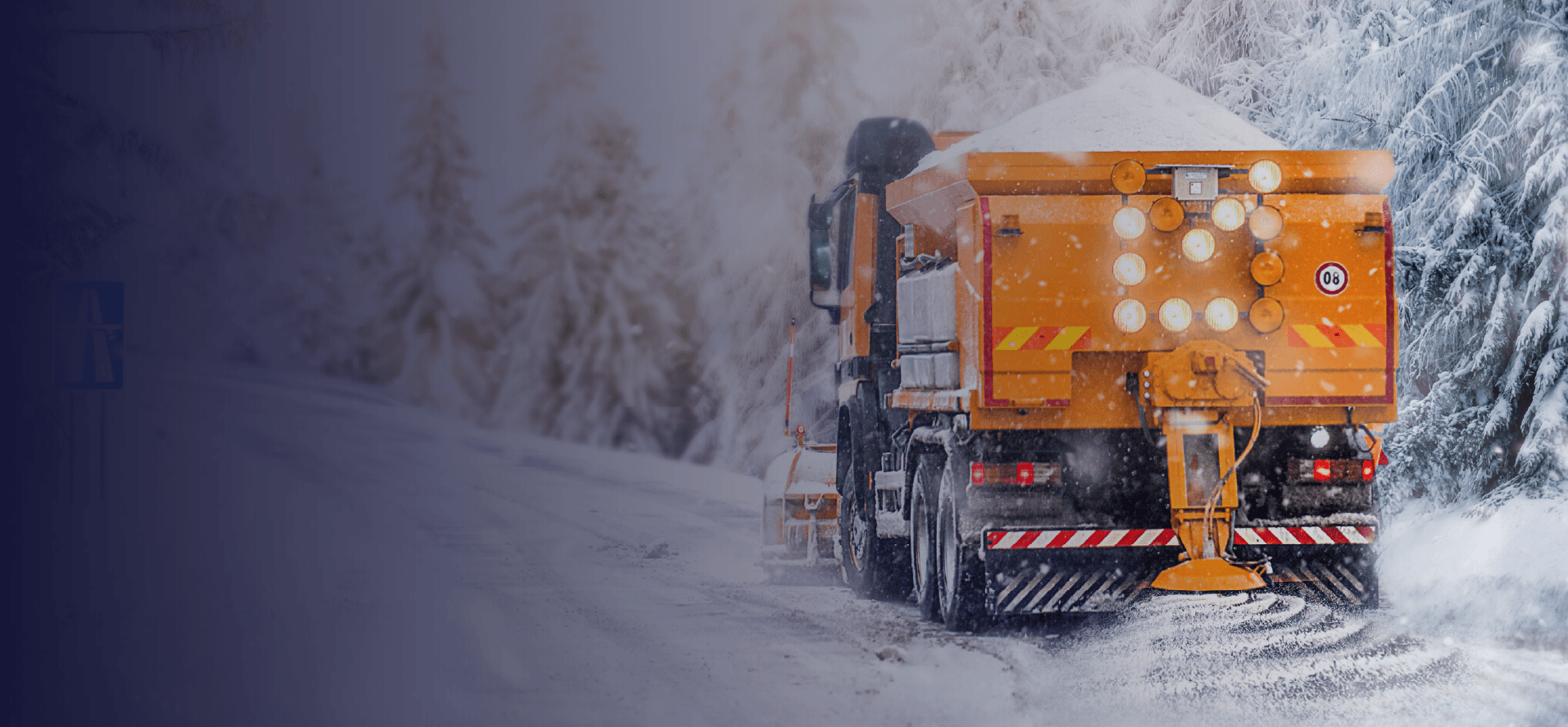
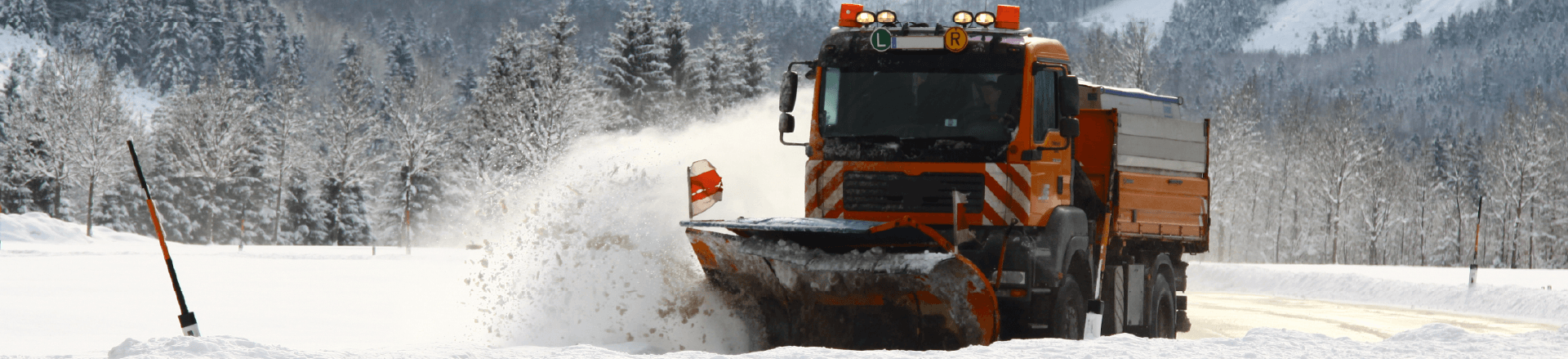
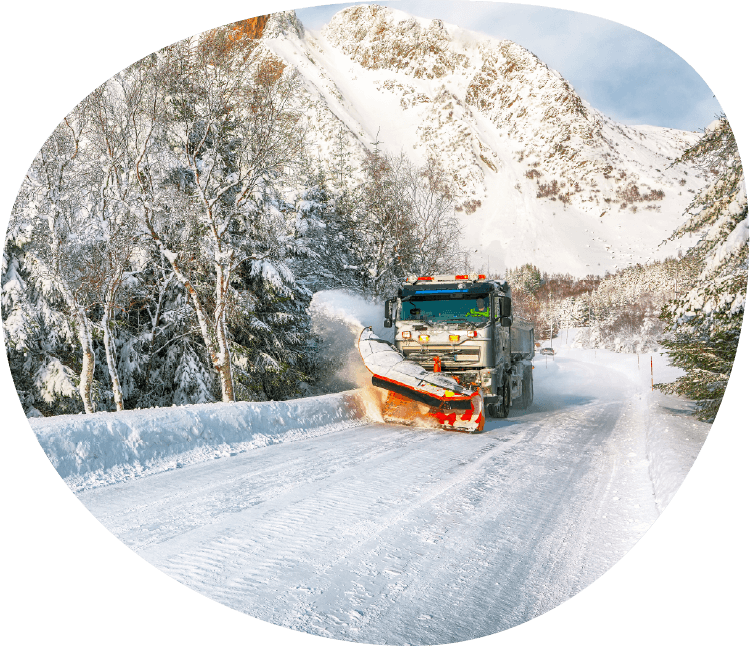
The ITD is responsible for maintaining 12,000 miles of highway during winter with a fleet of 450 snowplows. To manage plowing operations effectively, ITD needed a robust system to track plow routes, driver hours, highways plowed, and materials used. The goal was to improve plowing management and overall efficiency of operations.
Solution
Resource Data, in collaboration with a local tech company, developed the Winter Automated Reporting System (WARS) for ITD. Our Boise-based team provided GIS expertise and business analysis to design and implement the system.
WARS collects and processes GIS data from snowplows, capturing information about weather conditions, areas plowed, plow blades, and materials dispensed by the plow on each route. Sensors on each plow records data every six seconds, which is then uploaded daily. The system integrates this data with ITD’s existing systems, including its GIS, asset management, payroll, and linear reference systems. A Resource Data analyst developed interactive reporting tools, enabling ITD staff to easily view, analyze, and report on snowplow data.
Approach
Resource Data approached the project by leveraging their GIS expertise and thorough business analysis to tailor the WARS to ITD’s needs. The integration with existing state systems was a critical component, ensuring seamless data flow and usability. By focusing on user-friendly reporting functionalities, Resource Data enabled ITD to maximize the system’s potential, ultimately improving plowing efficiency and road safety.
Of Interest
Idaho, with some regions receiving over 100 inches of annual snowfall, is among the first states to adopt such advanced technology for winter maintenance tracking. Though relatively new, WARS is anticipated to significantly enhance plowing efficiency by providing a comprehensive view of plowing and sanding activities and outcomes. The system’s integration with accident tracking systems allows ITD to correlate accident rates with plowing efforts, facilitating increased plowing in problematic areas thereby increasing winter highway safety.




Case Study FAQ
A state transportation department can do this by using an integrated reporting system that turns plow activity, road conditions, and materials usage into a clear operational picture instead of relying on scattered records or limited field visibility. In winter maintenance, the challenge is knowing where plows have been, what conditions they encountered, how long operators have worked, and how resources like sanding or deicing materials are being used across a very large network.
Winter operations involve constant tradeoffs around staffing, route coverage, timing, and road safety. If leaders cannot see what is happening across the fleet in a structured way, it becomes harder to improve service levels or respond intelligently to changing conditions. A strong winter maintenance system gives managers the information they need to direct resources more effectively.
In Resource Data’s case study, the Idaho Transportation Department (ITD) was responsible for maintaining 12,000 miles of highway with a fleet of 450 snowplows. Resource Data helped design and implement the Winter Automated Reporting System (WARS) to capture route activity, driver hours, highways plowed, weather conditions, and materials used. This case study demonstrates that integrated winter reporting gives transportation agencies better control over large-scale plowing operations. Results include improved efficiency, stronger management visibility, and better support for safer winter road conditions.
They need more than route logs and manual reporting because winter maintenance decisions depend on fast, detailed, and geographically accurate information. Manual logs can document what happened, but they are usually too limited and slow to help agencies fully understand route coverage, equipment activity, material usage, and real-time field conditions across a large road system.
This understanding becomes critical when winter weather is severe or highly variable. Agencies need to do more than confirm that plows were deployed. They need to understand where plowing occurred, how conditions changed, what treatments were applied, and how those actions connect to outcomes. A more advanced reporting system turns operational activity into usable management insight rather than just a record of completed work.
In Resource Data’s case study, WARS used GIS data from snowplows to monitor weather conditions, areas plowed, plow blades, and materials dispensed on each route. The system also provided interactive reporting tools so ITD staff could view, analyze, and report on snowplow data more easily. This case study shows that modern winter maintenance requires more than historical route records to be effective. Results of Resource Data’s work on this project include better decision-making, improved analysis of field operations, and stronger support for road safety improvements.
It takes strong business analysis, GIS expertise, and careful integration with the systems the agency already depends on. Transportation departments often have existing asset management, payroll, GIS, and roadway reference systems that are part of daily operations. If a new winter maintenance system does not connect well to those environments, staff may end up doing extra work to reconcile data or manage duplicate processes.
A better approach is to design the reporting system around the agency’s operational reality. That means understanding what field crews collect, what managers need to see, and how data should flow into the systems already used for planning, payroll, and infrastructure management. When the new tool fits into existing workflows, adoption and usability improve significantly.
In Resource Data’s case study, Resource Data and a local Idaho technology company designed WARS to integrate with ITD’s GIS, asset management, payroll, and linear reference systems. Resource Data provided GIS expertise and business analysis so the system could be tailored to ITD’s needs rather than layered on top of them awkwardly. In this case study, successful transportation technology projects depend on workflow fit as much as technical capability. The WARS solution improved data flow, reduced duplication, and created a system that staff can use more effectively.
Snowplow sensor data and interactive reporting help by turning field activity into actionable information that managers can review quickly and use to improve immediate operations and future planning. Instead of relying only on summaries or delayed manual updates, agencies can see detailed patterns in plowing activity, route coverage, weather conditions, and material application. That makes it easier to understand what happened and what should change.
This kind of insight matters during active maintenance periods and after storms have passed. During operations, it helps staff see what resources are being deployed and where additional focus may be needed. Afterward, it helps leadership evaluate performance, identify gaps, and plan for more effective responses in future weather events.
In Resource Data’s case study, sensors on each plow recorded data every six seconds and uploaded it daily into WARS. Resource Data also developed interactive reporting tools so ITD staff could analyze and report on snowplow activity easily. In this example, field data becomes much more valuable when it is paired with reporting tools that make it easy to interpret and act on. WARS helped with better route analysis, smarter operational adjustments, and stronger long-term planning for winter maintenance.
A strong winter maintenance reporting system creates longer-term value by helping the agency connect plowing activity to safety outcomes, operational efficiency, and future maintenance planning. The best systems do more than document daily work. They create a record that leadership can use to identify patterns, improve resource allocation, and justify changes in where and how winter maintenance is performed.
That broader value is important when the agency wants to improve road safety in a measurable way. If plow data can be connected to accident patterns or roadway trouble spots, maintenance leaders can make better-informed decisions about where to intensify operations or adjust strategies. Over time, the system becomes a planning and safety tool as much as a reporting tool.
In Resource Data’s case study, WARS integrated with accident tracking systems so ITD could correlate accident rates with plowing efforts and increase plowing in problematic areas to improve winter highway safety. The case study also notes that Idaho is among the first states to adopt this kind of advanced winter maintenance tracking technology.
This case study shows how integrated winter reporting can support immediate operations and long-term safety strategies. Benefits include better targeting of winter resources, stronger safety analysis, and a more informed approach to maintaining highways in severe weather.